
The leisure tourism market continues to grow, driven by demand that now goes beyond visiting monuments or relaxing on the beach. Travelers are looking for memorable activities, with growing interest in local experiences, food and cultural encounters.
Choosing these activities has become all the more important as overcrowding at certain sites (Santorini maintained a daily cap on cruise ship passengers in 2025) reshapes what is accessible.
Travel activities: the journey as an experience in its own right
Most articles on the subject list spectacular destinations but overlook one key point: the journey itself can be the main activity. The slow travel trend is putting train travel back in the spotlight as a way to explore. Instead of flying directly to an overcrowded tourist site, a regional rail itinerary lets you include less-visited towns and make more connections with the places you pass through.
This kind of travel changes the experience itself. The pace slows, landscapes unfold at eye level, and stops along the way become opportunities for unexpected encounters. A train journey across Peru, for example, passes through very different altitudes and ecosystems in just a few hours, without requiring travelers to plan an additional activity.
When exploring activities to discover while traveling, it can be helpful to start with the mode of transport rather than the final destination. This shift in perspective opens up itineraries that traditional tours overlook.

Local food and cultural experiences: what makes a trip memorable
The president of the Global Sustainable Tourism Council links the most sought-after experiences to local cuisine and authentic cultural exchanges. This is no coincidence: a cooking class in someone’s home or a market tour with a local guide makes memories tangible through tastes, smells and newly learned skills.
A local culinary activity creates a more lasting memory than a site visit, according to feedback from several sustainable tourism professionals. The reason lies in the traveler’s physical and social involvement: you don’t just watch—you take part.
What sets a local experience apart from a packaged tourist product
The difference comes down to three practical criteria:
- Sourcing: ingredients, materials or skills come from the area being visited, not from a standardized supply chain
- Community involvement: the activity is run by local residents, not solely by international operators
- Preserving the place’s identity: the experience reflects real practices rather than a performance staged for tourists
A qualitative study of tourism business managers in Portugal identified these practices, as well as some barriers: a lack of resources and technical expertise limits their rollout. In other words, these experiences exist, but they are not always easy to find without doing some research first.
Nature and adventure activities: choose based on real-world accessibility
Soaring over a canyon in a hot-air balloon, diving on a coral reef, hiking to Machu Picchu: these activities appear on every list. Their appeal is undeniable, but the popularity of certain sites creates real access challenges.
The most famous destinations now impose quotas or require reservations well in advance. Managing tourist flows is changing access to the most popular activities. Choosing an alternative that offers a similar experience in a less-visited place is not a compromise; it is often an improvement: fewer crowds and a deeper sense of immersion.
Three criteria for evaluating a nature activity before booking
- Group size per session: kayaking through a mangrove with a group of six offers a radically different experience from going with a group of forty
- Seasonality: some activities (bioluminescence viewing, northern lights watching) depend on specific natural conditions, and the best times do not always coincide with peak tourist season
- Local benefits: an activity run by a local provider keeps revenue in the area, whereas a tour organized by an outside operator captures most of the value
Slow travel and immersive experiences: a lasting trend
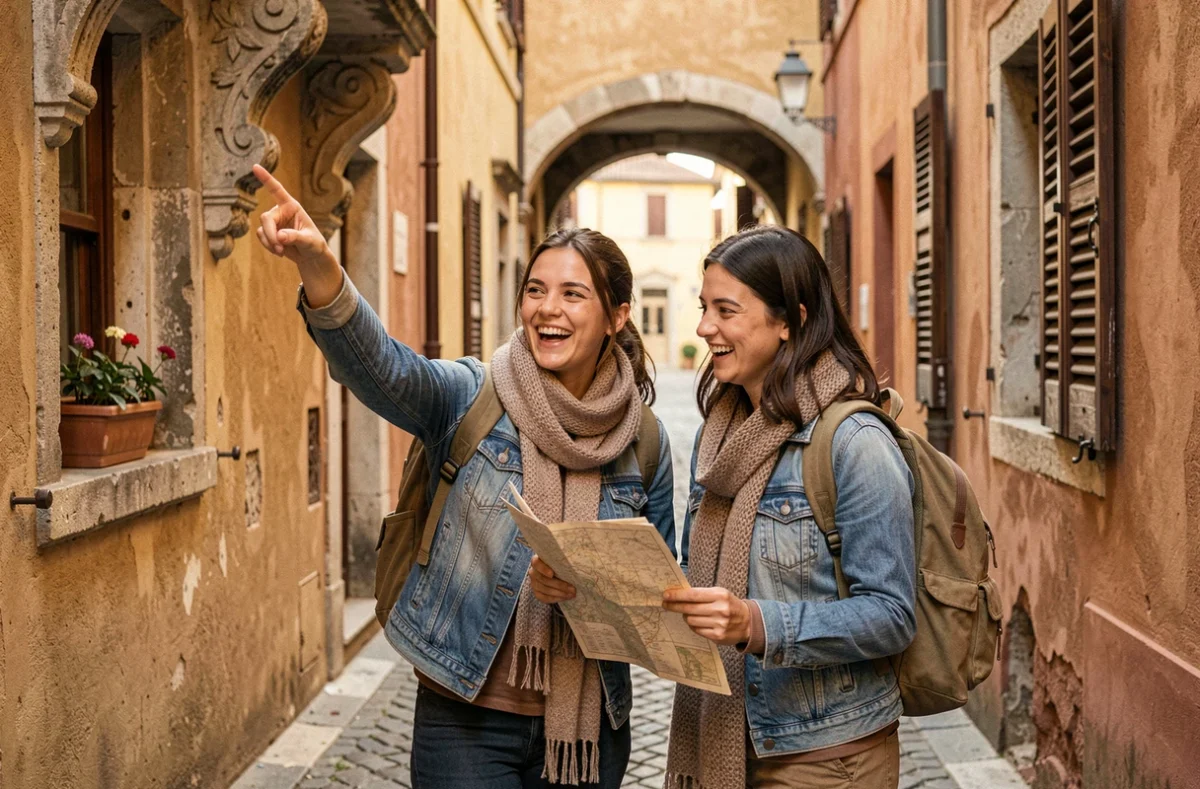
Slow travel is about more than taking the train instead of flying. It means staying longer in one place, which changes the kinds of activities available. Spending several days on an island or in a rural region lets you move beyond sightseeing and take part in local life.
Longer stays make it possible to enjoy activities that are out of reach on a short stopover. Learning the basics of a local craft, following the rhythm of a market, or observing wildlife over several days: these experiences require time, not a bigger budget.
The available data does not make it possible to quantify precisely how many travelers are adopting this approach. However, the signs point in the same direction: growing interest in regional itineraries, an increase in homestays and the rising profile of local experiences.
When choosing an activity while traveling, it is worth prioritizing the quality of immersion over the fame of the place. A memorable trip depends more on the depth of the experience than on how famous the destination is. Spectacular scenery may inspire people to set off, but it is the encounters, learning and local rhythms that stay with them.