A wedding is prepared by articulating three structuring decisions: the format of the reception, the allocation of the budget among different items, and the aesthetic thread that connects each detail. These choices condition everything else, from the choice of venue to the stationery.
Micro-wedding and concentrated budget: the format that redefines the reception
The most striking trend in recent seasons no longer opposes large weddings to intimate ones. It hybridizes them. The concept of micro-wedding with a grand experience is based on a simple principle: reduce the number of guests to concentrate the budget on a few spectacular elements.
According to the Pinterest Wedding Trends 2025 report, published in January 2025, searches related to this format have significantly increased. The venue, staging, and entertainment absorb the bulk of the budget, while the guest list tightens.
This model changes the planning logic. Instead of spreading a budget across fifteen items to satisfy one hundred and fifty guests, couples make different trade-offs: an exceptional venue, refined decoration, high-end catering, and a memorable experience for a small circle. Exploring the wedding universe of Mariés de Sylvie allows for a concrete visualization of how this approach translates into choices of service providers and atmospheres.
Reallocation of wedding budget: where couples’ money really goes
Platforms specializing in venue and service provider bookings report a clear trend toward budget reallocation. The share dedicated to photography and videography is increasing, often at the expense of traditional items like printing or classic paper invitations.
This shift is explained by a change in priorities. Image now takes precedence over physical support. Couples invest in a photographer whose style matches their vision, sometimes in a videographer for a cinematic wedding film, rather than in a large volume of floral decoration.
Rising categories
- Wedding photography and videography, with increasingly personalized services (drone, short film, two-day coverage)
- Custom culinary experiences, from tasting menus to gourmet food trucks, including mobile cocktail bars
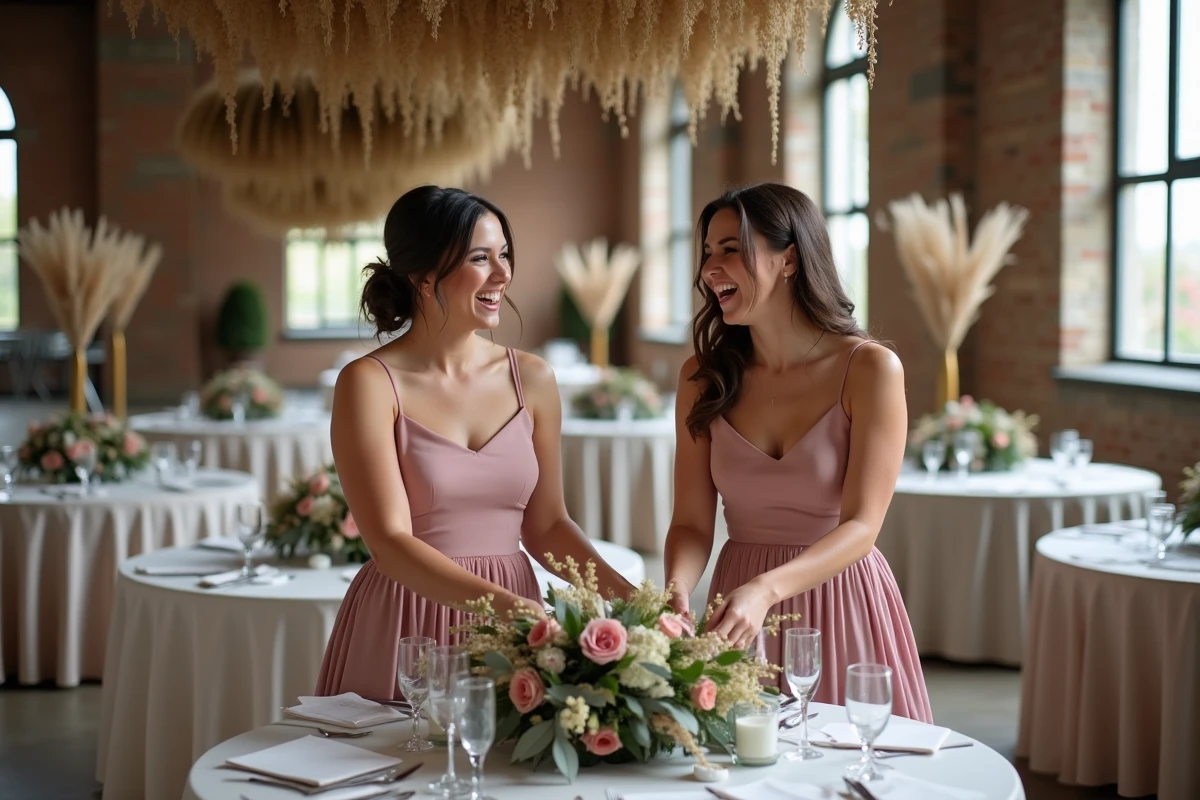
- Immersive staging of the reception venue, including lighting, draping, and floral installations designed as backdrops
This reallocation does not mean that the overall budget decreases. It reflects a choice of concentration: fewer items, but each treated with more care.
Low-carbon wedding: when regulations influence trends
A factor rarely mentioned in inspiration guides is starting to weigh on the offerings of service providers. Since the gradual implementation of the European CSRD directive on non-financial reporting, applicable from the 2024 fiscal year for large listed companies, several groups in hospitality and events have integrated low-carbon wedding offerings into their catalogs.
In practical terms, this translates into quotes that include carbon offset options, short supply chains for catering, or venues certified for their environmental performance. Groups like Accor and Marriott have illustrated this integration in their 2024 CSR reports.
The low-carbon wedding is no longer a militant choice; it is a catalog option. For couples, this opens up possibilities without additional effort: choosing a provider that already offers a short supply chain, opting for decoration made from reused materials, or selecting a venue that offsets its emissions.
What this changes for venue selection
Venues and reception halls that communicate their environmental approach gain visibility. A venue with a local catering offer and structured waste management becomes a selection argument, on par with the setting or capacity.
Decoration and wedding style: building a coherent thread
The wedding theme is no longer limited to a color palette. Current trends favor a global thread that connects the stationery, table decoration, the couple’s attire, and the lighting ambiance.
Two directions coexist. On one side, a highly controlled minimalism, with clean lines, neutral tones, and architectural staging. On the other, a more elaborate aesthetic, inspired by the Dolce Vita style or reinterpreted rococo codes, with generous floral compositions and draped fabrics.
Wedding dress and couple’s style
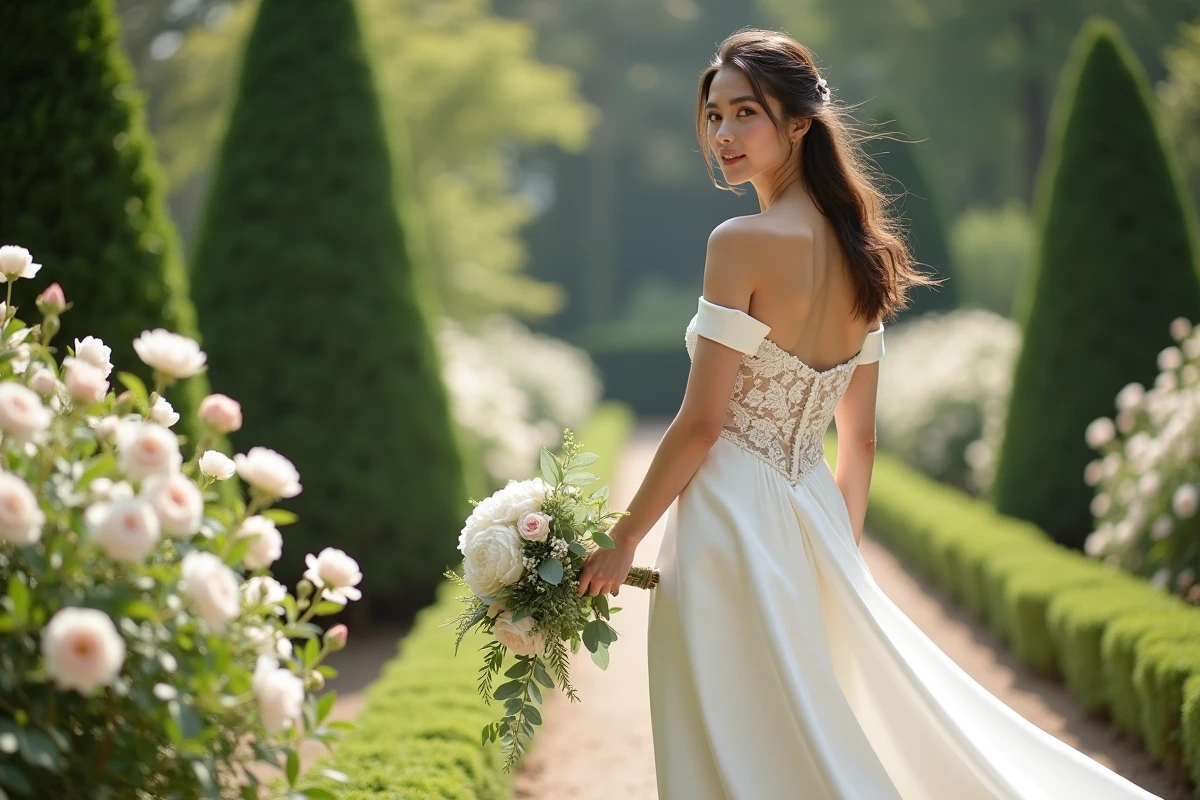
The wedding dress follows this same logic of coherence. Sculptural cuts and structured fabrics accompany minimalist weddings. Dresses with embroidered details or voluminous trains align with more opulent receptions. The choice of the dress should be considered in relation to the venue and decoration, not as an isolated decision.
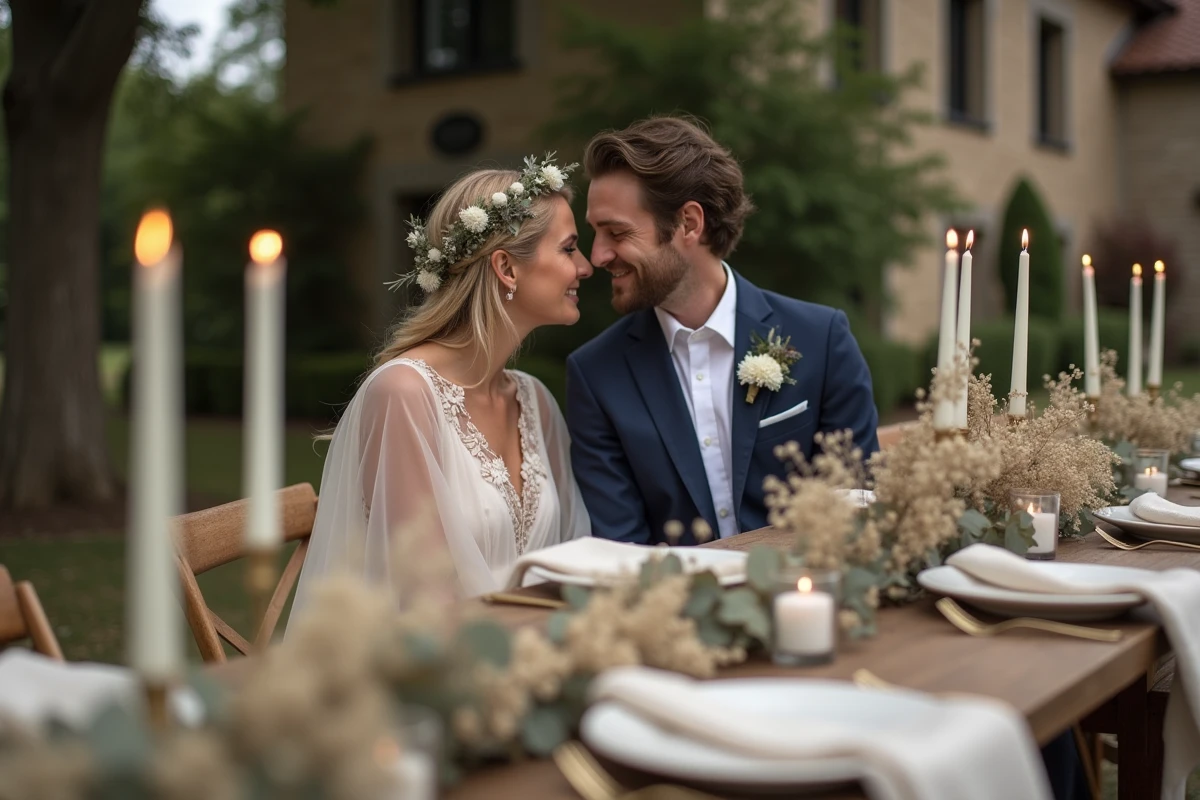
On the suit side, the trend is toward mismatched ensembles or textured materials (linen, lightweight wool) that break away from the classic three-piece suit.
Building a coherent wedding requires locking in the guiding thread before choosing service providers. The theme, venue, and attire style form a triangle. Changing one of the three afterward disrupts the whole, and this is often where budget overruns occur.