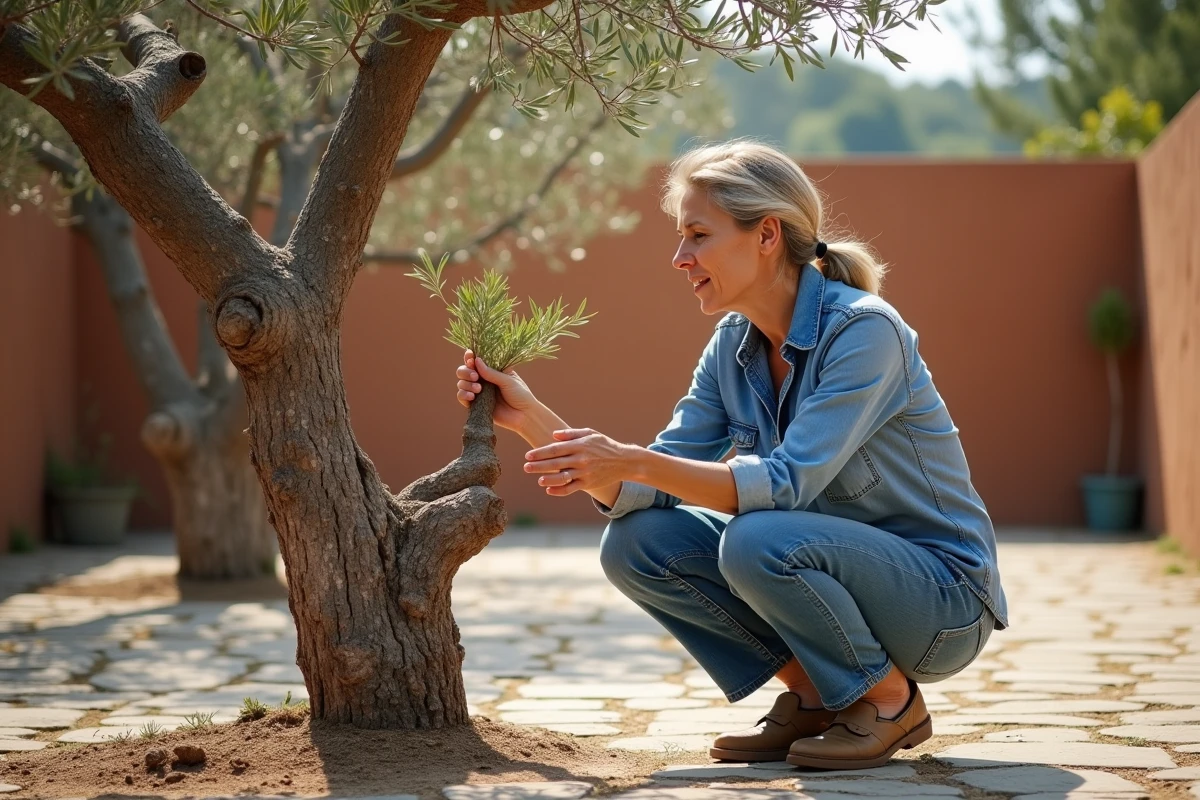
An olive tree can display an appearance of an invincible rock while already hiding signs of deep weakening. Some varieties struggle with excess moisture or drafts, while a long drought may not show any signs until the tipping point is reached.
Subtle symptoms, often overlooked, betray a discomfort that is gaining ground. Spotting them in time can prevent the worst and give your tree a second chance. Methodically examining its condition and adopting the right actions can transform a dire fate into rebirth.
Recognizing a distressed olive tree: warning signals not to ignore
To gauge the health of an olive tree, one must scrutinize its leaves and their flexibility. Green and flexible leaves: all is well, life is flowing. But if the leaves become rigid, dry, brittle, or fall in large numbers, it’s time to worry. Leaf renewal is part of the natural cycle, but falling becomes suspicious if it occurs out of season, if the leaves have spots, or if they turn black.
Among the threats, certain fungal diseases like peacock eye, verticillium wilt, or sooty mold, and pests such as scale insects or mites, sap the tree’s energy. The result: deformed, discolored leaves that detach prematurely. A frost or lack of water also leaves visible traces: scorched leaves, softened or brittle twigs.
Also observe the flexibility of the branches. If a twig bends without breaking, the sap is flowing. If it breaks cleanly, death is near. A scratch on the bark allows you to see the cambium: a green hue is a good sign; brown or dry indicates a grim situation. To delve deeper into these observations, the resource see if an olive tree is dead details each symptom and the actions to take.
The buds also deserve attention: their presence, even discreet, signals that the sap is still pushing. Their absence, combined with gray twigs and dull bark, should prompt vigilance. The health status of an olive tree is rarely read from a single sign; it is the convergence of several indicators that should alert and trigger a swift reaction.
Dead olive tree or simply weakened? Simple tests to clear the doubt
An olive tree that seems to be at a standstill, with immobile branches, raises the question: does it still have a chance or should one expect the worst? The bark scratching test remains the most direct method. On a medium-sized branch, lightly scratch the surface with a knife or your nail. If the cambium is green and moist, the sap is flowing, the olive tree is holding on. But if the layer is brown, dry, or fibrous, the branch, and perhaps the entire tree, is at a standstill.
To refine this observation, here are points to check regarding the flexibility of the twigs:
- A twig that bends without breaking shows that life persists.
- A brittle, dry twig with no elasticity indicates advanced drying out.
Add to this the search for living buds. If they are present, even timidly, hope remains. If they are missing and the cambium is brown, the doubt fades: decline has taken over.
If uncertainty remains, the advice of an arborist can prove invaluable. Their experience, their perspective on the entire tree, and their ability to read the smallest details will help adjust care and, sometimes, reverse the trend.
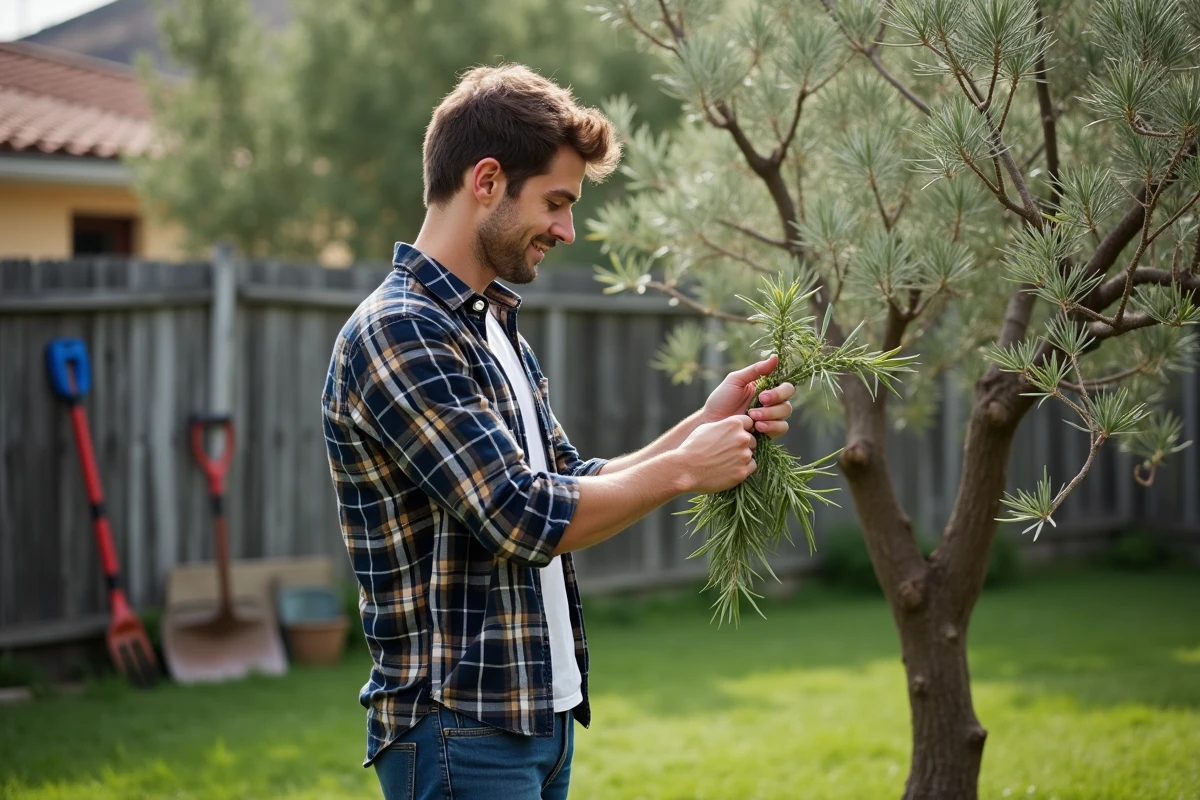
First steps to save a potted olive tree after a frost or decline episode
When a potted olive tree suffers from frost or shows signs of decline, it is essential to react quickly and methodically. Start by checking the substrate: if it is waterlogged, drainage is lacking; if it is dry, the plant is lacking water. As long as the root ball remains moist, reduce watering. Too much water promotes root rot, a scourge for container olive trees.
After gently removing the tree from its pot, examine the roots. If they are black and soft, rot has already set in. All affected parts must then be removed with disinfected pruning shears. Repot in a well-draining substrate: a mix of potting soil, coarse sand, and gravel. Ensure that water drains freely from the pot.
Avoid any fertilization until the tree has regained vigor: fertilizer will only increase its exhaustion. Place the olive tree out of cold winds, in a bright spot but without direct scorching sunlight. Remove dead wood or twigs damaged by frost, cutting back until you find green under the bark. This pruning helps stimulate regrowth in spring.
A mineral mulch on top of the pot regulates moisture and protects against temperature fluctuations. At each stage, monitor the appearance of buds and the flexibility of the twigs: they are the best indicators to guide your actions and give your olive tree a real chance to come back to life.
In the face of an olive tree that wavers between life and abandonment, it is the precision of the gesture and attentive observation that sometimes make all the difference. The Mediterranean tree has not said its last word to those who know how to listen and intervene just in time.