A dog that refuses its bowl for two days, another that scratches its ear while whining in the evening: these everyday signals often go unnoticed until they become a veterinary problem. Taking care of your dog is not just about feeding it and taking it out. It’s about learning to read its habits, spotting what changes, and adapting its routine to its age and lifestyle.
Detecting pain signals before they worsen
Have you noticed that your dog sleeps more than usual or is turning its nose up at its food for no apparent reason? These micro-changes are the first indicators of discomfort, sometimes well before a disease manifests.
A dog that changes its resting posture, hesitates to climb stairs it used to navigate easily, or licks a paw repeatedly often expresses joint or skin pain. Recent veterinary sources emphasize this point: a change in habit warrants a quick consultation, not in two weeks.
Specifically, make it a habit to observe three things every day: appetite, energy level, and posture. If two of these parameters change at the same time, contact your veterinarian. This simple reflex prevents costly and painful complications. Finding reliable resources on dogs on La Fibre Câline also helps to better understand the specific needs of each breed.
Dog nutrition according to age and activity
Feeding the same kibble to a four-month-old puppy and a twelve-year-old senior dog is like serving the same meal to a child and their grandfather. Nutritional needs vary significantly depending on the life stage.
Puppy, adult, senior: three profiles, three approaches
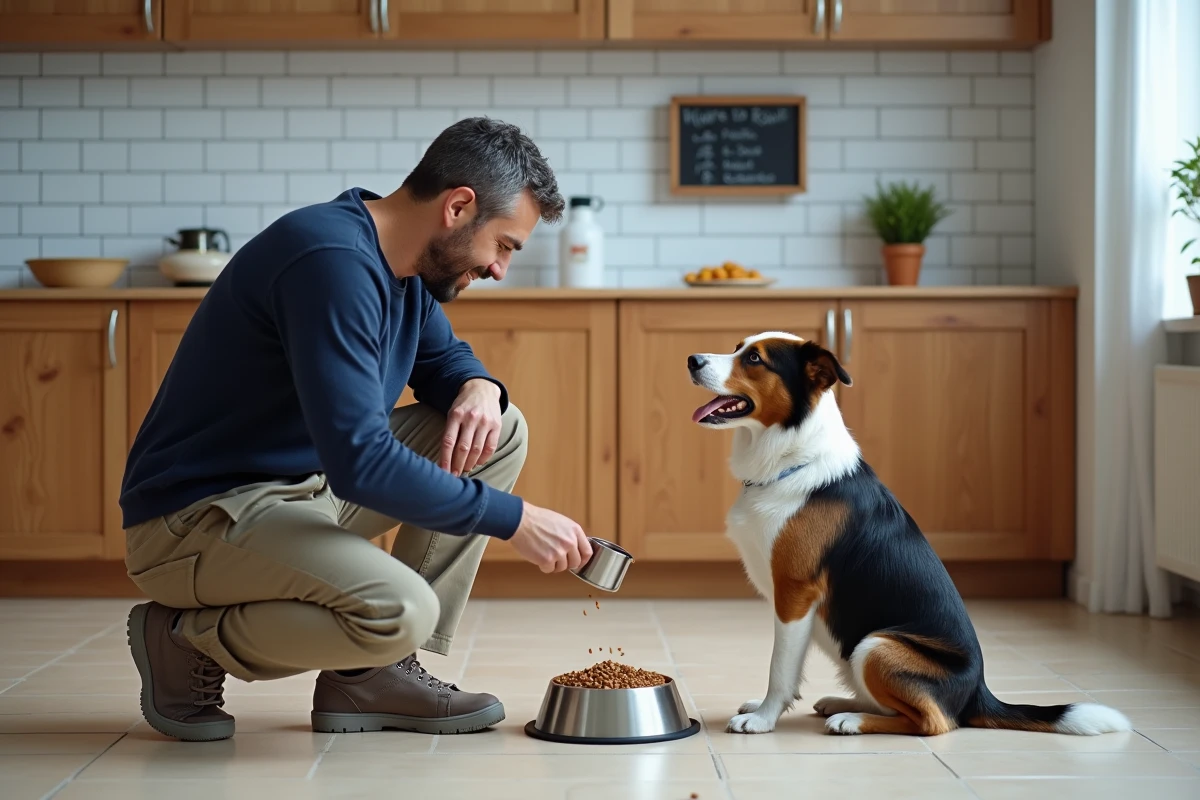
A growing puppy needs a denser protein and caloric intake, spread over several meals a day. An active adult dog requires a balance of protein and carbohydrates suited to its physical expenditure. The senior dog, whose metabolism slows down, benefits from a diet lower in fat and enriched with nutrients that support the joints.
Adjusting the ration to the dog’s actual activity is just as important as choosing the right brand. A dog of the same breed living in an apartment and another running in a garden all day do not have the same caloric needs.
Common bowl mistakes
- Leaving food out all day encourages overweight and prevents the detection of a decreased appetite, which is often the first signal of a health problem.
- Regularly giving table scraps disrupts nutritional intake and exposes the dog to toxic foods (onion, grapes, chocolate).
- Suddenly changing kibble without a few days of digestive transition often leads to diarrhea or vomiting.
If in doubt about the quantity or type of food, your veterinarian remains the best resource. The indications on packages are averages, not individual prescriptions.
Dog dental hygiene: an underestimated care
Brushing a dog’s teeth has long been seen as an accessory gesture, even eccentric. Recent veterinary recommendations place it as a central preventive measure for the dog’s health.
Why this change? Because dental infections do not remain confined to the mouth. Untreated gum inflammation can affect internal organs, particularly the heart and kidneys. Tartar accumulates quickly, especially in small breeds where the jaw concentrates teeth in a reduced space.
Start by getting your dog used to having its mouth touched, without a brush, using a simple damp compress on the gums. Once it accepts the handling, move on to a soft toothbrush and toothpaste formulated for dogs. Two to three brushings per week are sufficient to limit tartar formation.
Behavioral health: when boredom becomes a real problem
A dog that destroys shoes or barks incessantly in your absence is not throwing a tantrum. It expresses discomfort related to boredom or separation anxiety. Recent recommendations on canine well-being emphasize mental stimulation as much as physical exercise.
A dog left alone for several hours each day without appropriate occupation develops compulsive behaviors. It’s not a matter of breed: a labrador and a chihuahua can both suffer from a lack of stimulation.
Concrete solutions to implement
- Food-dispensing toys (like Kongs) keep the dog occupied during your absence and channel its energy into a rewarding activity.
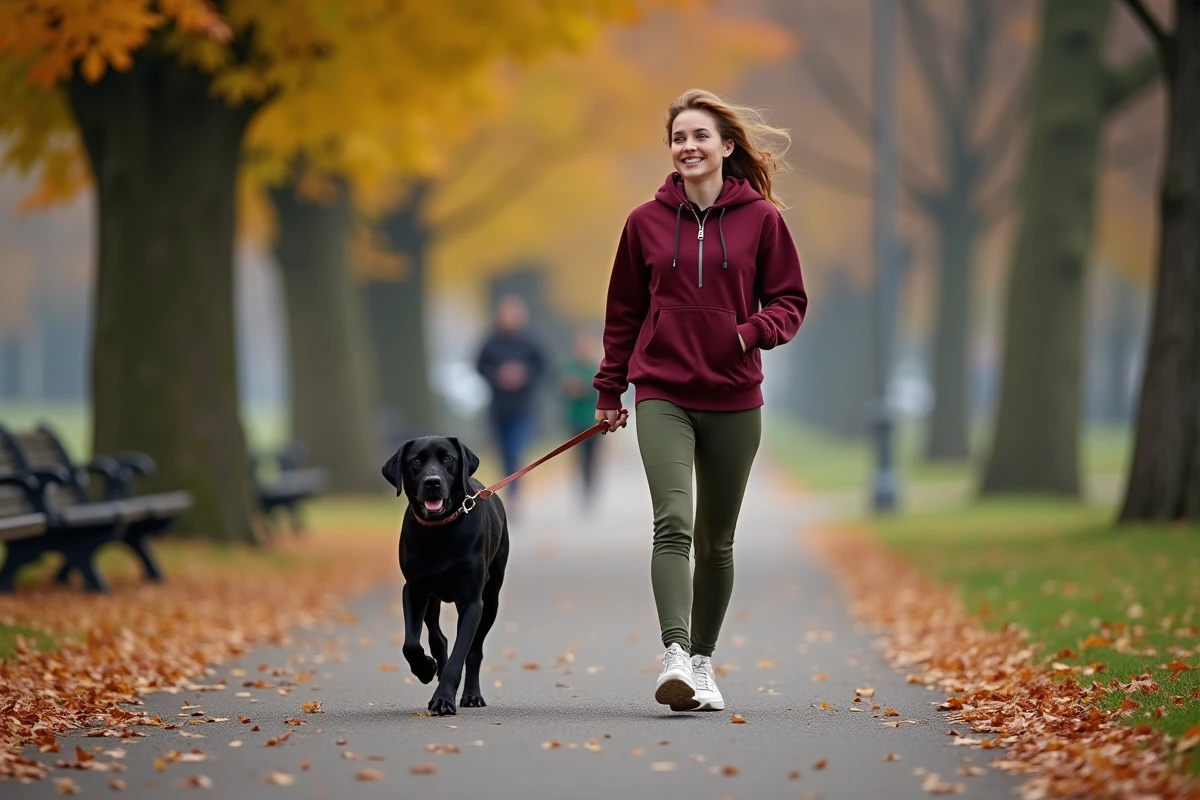
- Sniffing walks, where the dog explores freely at its own pace following scent trails, tire it out more than a brisk walk on a short leash.
- Learning new commands or tricks, even five minutes a day, strengthens the bond with your companion and stimulates its concentration ability.
A mentally stimulated dog is a calmer dog at rest. Physical exercise alone is not enough to balance an animal that is bored.
Regular coat and ear care: the right frequency
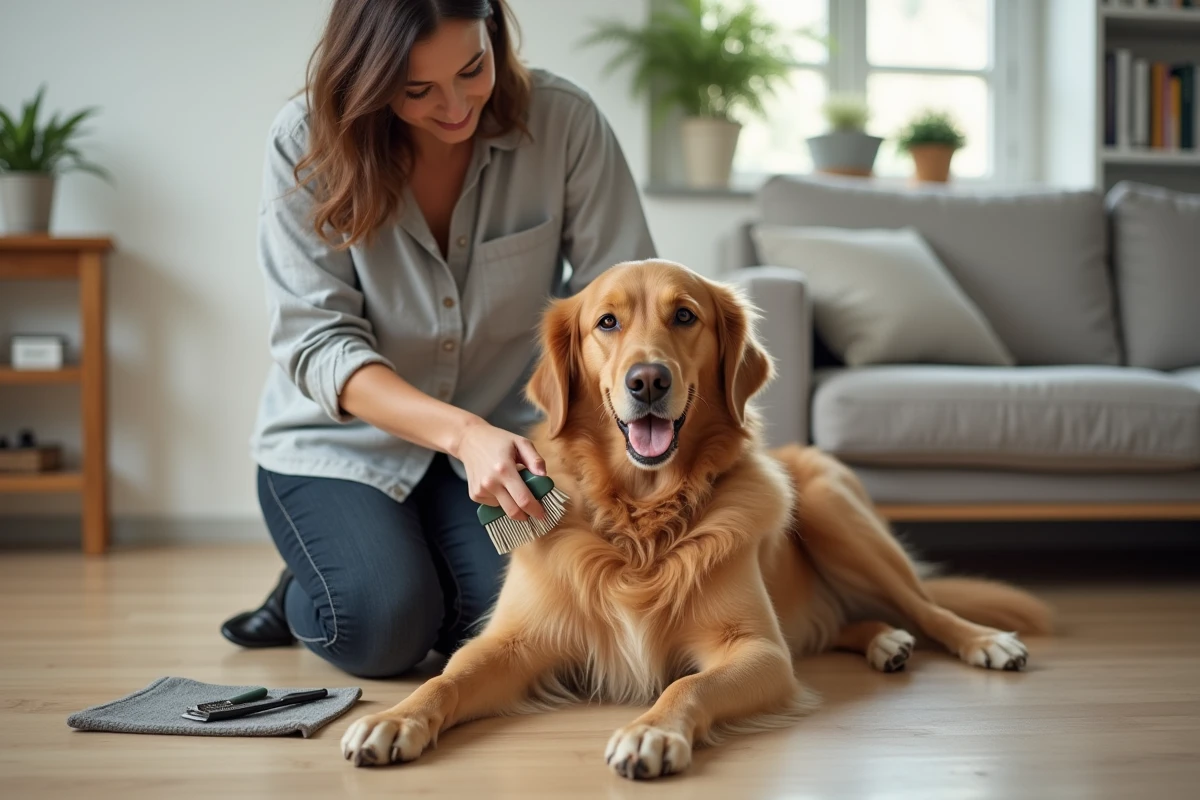
Brushing the coat is not just for preventing tangles. It helps to spot parasites, skin irritations, or unusual lumps. For a short-haired dog, weekly brushing is sufficient. For a long-haired or dense-coated dog, two to three sessions per week prevent matting that pulls on the skin.
Ears deserve special attention in breeds with droopy ears. Moisture trapped in the ear canal creates a favorable environment for ear infections. A gentle cleaning with an appropriate product, once a week, limits this risk. If the ear emits an unusual odor or if the dog shakes its head frequently, a veterinary consultation is necessary without delay.
Finally, nails should not touch the ground when the dog is standing. Overly long nails alter posture and can cause joint pain over time. If you hear a clicking sound on the tile, it’s time to trim them or have them trimmed.
Taking care of your dog daily relies on a set of simple gestures, provided they are practiced regularly and attentively. The most useful remains to observe your animal every day: it is by knowing its normal habits that you can quickly spot what is no longer normal.